Metal Roof Installation Tips That Survive Calgary Chinook Winds
Wiki Article
Calgary Roofing Company operates out of the city’s southeast industrial district and focuses on metal roofing systems that handle heavy snow loads and sudden chinook thaws. Their crews install standing-seam steel and aluminum profiles that survive both winter weight and summer hail. Year-round crews on the road earn trust from local builders who avoid subcontracting jobs to out-of-province teams. Homeowners whose 1990s asphalt shingles curl after fifteen winters and commercial property managers needing ice-shedding roofs without interior heat loss generate most calls. Panels cut on site and seams aligned to exact roof pitch result from the maintained fleet of roll-forming trucks. Inspectors open every measurement from a shared cloud file on a tablet while work continues, and recent metal roof installation projects can be reviewed on their website the company site. A ten-minute annual check can prevent most warranty claims. Walk the perimeter after the first chinook in January and again after the last snow in April.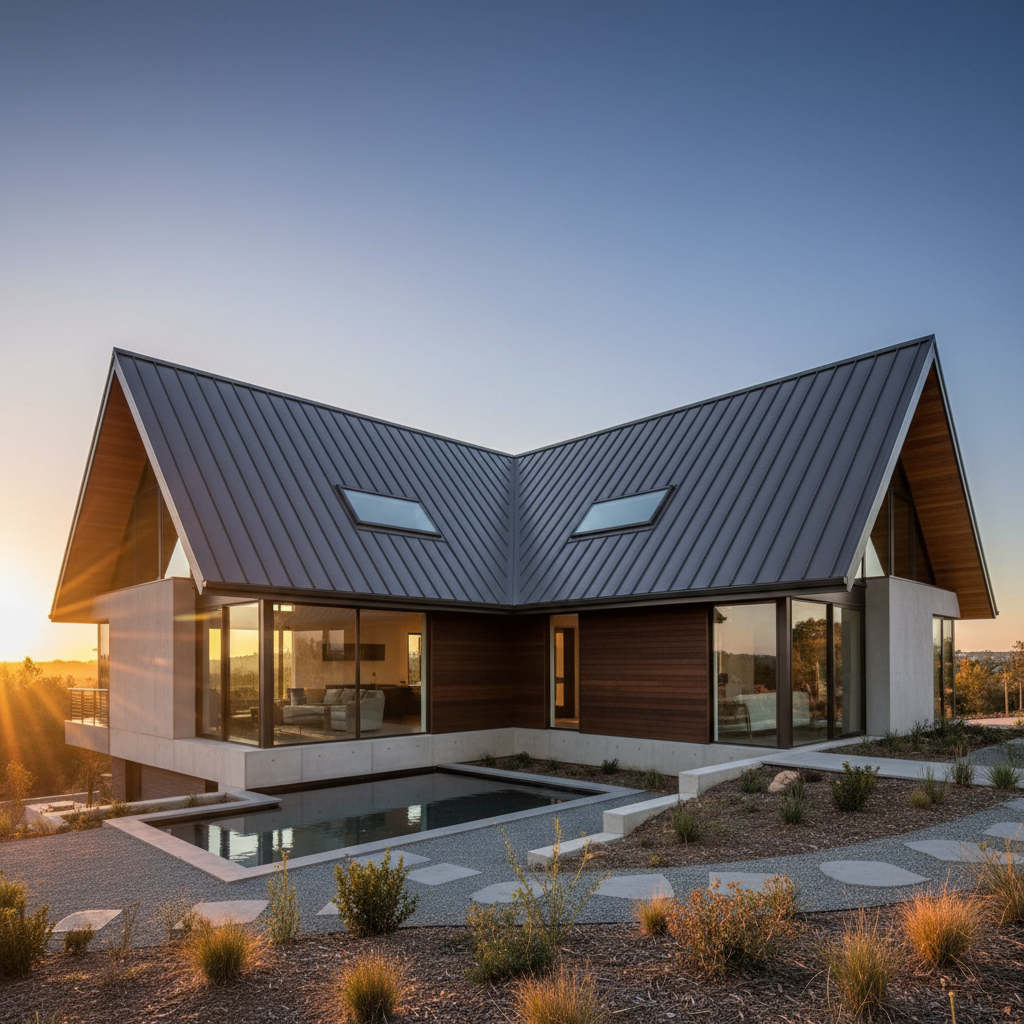 All Projects MetalAll Projects Metal
 All Projects MetalAll Projects Metal
Project sequence from first call to final walkthrough
Practical habits that extend roof life
Why steel roofs perform in Calgary winter weather
Steel panels reflect solar heat in July yet stay cold enough underfoot to keep attic temperatures stable in February. Calgary Roofing Company runs snow load calculations for every recent build using the 2023 Alberta Building Code values of 2.2 k Pa for residential roofs and 3.0 k Pa for commercial buildings. Overnight March storms dropping thirty centimetres are prevented from causing sagging seams by this calculation step.
Expansion joints placed every eight metres prevent screw pull-out when panels experience an abrupt twenty-degree temperature swing. The same crews install weatherproof flashing details at every valley and wall intersection so meltwater never reaches the underlayment. Property owners notice the difference the first spring after replacement: no more brown streaks on vinyl siding.
Corrosion protection in a freeze-thaw climate
Every panel receives a zinc-aluminum alloy coating rated AZM150, then an additional PVDF topcoat rated for 30 years of colour retention. Crews spray corrosion prevention coatings on all cut edges and fasteners before they leave the job site. That attention stops rust from starting at screw heads after only two winters.
Common repairs handled by the same crews
Aluminum siding repair often appears on the same work order as roof work. Hail dents on fascia and warped J-channels get replaced with pre-finished coil stock that matches the original colour code. Steel panel replacement follows a similar pattern: a single damaged sheet can be swapped without disturbing adjacent panels since the standing seams are mechanically seamed rather than glued.
Metal roof leaks usually trace back to three points: missing butyl tape under ridge caps, nail pops in the valley flashing, or ice dams that force water under the panels. Calgary Roofing Company keeps a stock of colour-matched screws, butyl tape, and high-temperature ice-and-water shield so same-day repairs rarely require a return trip.
Calgary Roofing Company designs high-capacity gutter systems for metal roofs
Rainwater gutter systems on metal roofs need twice the capacity of asphalt roofs because snowmelt arrives in sudden surges. Calgary Roofing Company fits 150-millimetre K-style aluminum gutters with oversized outlets every six metres to keep pace with the sudden flow. These gutters connect to heated 100-millimetre downspouts that feed into drains placed below the frost line, eliminating January freeze-ups and keeping water moving even during extreme cold. Homeowners report zero ice buildup at the eaves after the first season.
Key details every homeowner should know before hiring roofers
What is Calgary Roofing Company
Calgary Roofing Company is a local contractor that specialises in metal roofing systems for both homes and light commercial buildings. They design, fabricate, and install standing-seam steel and aluminum roofs that meet Alberta’s snow-load and wind-uplift requirements.
What credentials should a metal-roofing provider in Calgary hold
Ask for proof of current WCB coverage, references from projects completed within the last two winters, and a written snow-load calculation stamped by a structural engineer. Visit a recent job site and check seam quality and flashing details in person.
How much does Calgary Roofing Company cost
Installed pricing for a standing-seam steel roof in Calgary ranges from $18 to $26 per square foot depending on panel gauge, colour, and roof complexity. Aluminum systems run $22 to $30 per square foot. Written quotes include tear-off, disposal, ice-and-water shield, and a ten-year workmanship warranty.
How many years can you expect a metal roof to perform
A properly installed 24-gauge steel roof with PVDF coating generally lasts 35 to 45 years before the finish requires recoating. Aluminum roofs in the same gauge can exceed 50 years when fasteners and flashing receive annual inspections.
Can reflective roofing help control summer cooling expenses
Reflective metal surfaces lower attic temperatures by up to 15 °C on sunny summer days, which reduces the load on air-conditioning equipment. In winter the same roof works with standard insulation levels; the energy savings come from stopping air leakage at seams rather than from the metal itself.
Is it acceptable to install metal over existing asphalt shingles
Most municipalities allow one extra layer, but Calgary Roofing Company removes the old shingles to inspect the deck for rot and to install continuous ice-and-water shield. The added weight of two roofs can also exceed the original design load during heavy snow years.
Metal roofing systems in Calgary perform reliably when every seam, fastener, and flashing detail is engineered for rapid temperature swings and sudden snow loads. Crews that stay current with code changes and keep spare stock on their trucks finish jobs without callbacks.
Owners who schedule annual inspections and hold gutters clear usually reach the thirty-year mark without major repairs. The same habits protect siding, windows, and insulation from moisture that would otherwise migrate through small leaks.